Yufei ZHOU 周雨霏 བདེ་སྐྱིད་འཚོ།

I am a social anthropologist of everyday ethics, human-animal relations, and Sino-Tibet relations. I also write non-fiction stories and practice public anthropology.
我是一个社会人类学学者,关注日常伦理、人与动物关系以及汉藏关系。我也写作非虚构故事,实践公共人类学。
ང་ནི་མིའི་རིགས་རིག་པ་བ་ཞིག་ཡིན། ངས་ནམ་རྒྱུན་དོ་ཁུར་བྱེད་ས་ནི་རྒྱུན་ལྡན་གྱི་ཀུན་སྤྱོད་དང་མི་དང་སྲོག་ཆགས་བར་གྱི་འབྲེལ་བ། ད་དུང་རྒྱ་བོད་བར་གྱི་འབྲེལ་བ་སོགས་ཡིན། ངས་དངོས་བྲིས་རྩོམ་རིག་དང་སྤྱི་པའི་མིའི་རིགས་རིག་པ་ལ་ཡང་ལག་ལེན་བྱེད་བཞིན་ཡོད།
Contact me
Email: [email protected]
Bluesky: @yufeizhou.bsky.social
WeChat Public Account: 不由自知
PhD in Anthropology
I am a PhD candidate of Anthropology at the London School of Economics and Political Science (LSE). I have submitted my PhD dissertation in January 2026. My viva is scheduled for 24 April.
Theoretical Interests
Ethics, value, affect, mind, care, animals, environment, pastoralism, consumerism, ethnicity, nationalism, feminism, comparison ...
Fieldwork
2022. One month in Aba, Sichuan, China.
2021. Two weeks in Gannan, Gansu, China.
2020. Twelve months in Gannan, Gansu and Aba, Sichuan, China.
2019. Twelve months in Lhasa, Tibetan Autonomous Region, China.


PhD Dissertation
Ethical Objectification: How Pastoralists and Enthusiasts Relate to Tibetan Mastiffs in Contemporary China
Academic Publication
2023. ‘Raising Dogs that Bite: How Pastoralists and Breeders Care for Tibetan Mastiffs’, The China Quarterly 254, 340-353. (Q1, JIF 2.5, SJR 1.198) Read here2019. 《人与动物伦理关系研究的方法和中国经验》(Ethnographic Approaches and Chinese Perspectives on Human-Animal Ethics), 广西民族大学学报(哲学社会科学版)Journal of Guangxi University for Nationalities (Philosophy and Social Science Edition) 41, 68-78. (CSSCI-listed, Beijing University Core Journal) Read here2018. 《人类学与认知挑战》, 商务印书馆 (The Commercial Press), Beijing. Read about it
• Chinese Translation of Bloch, M. 2012. Anthropology and the cognitive challenge. Cambridge: University Press.


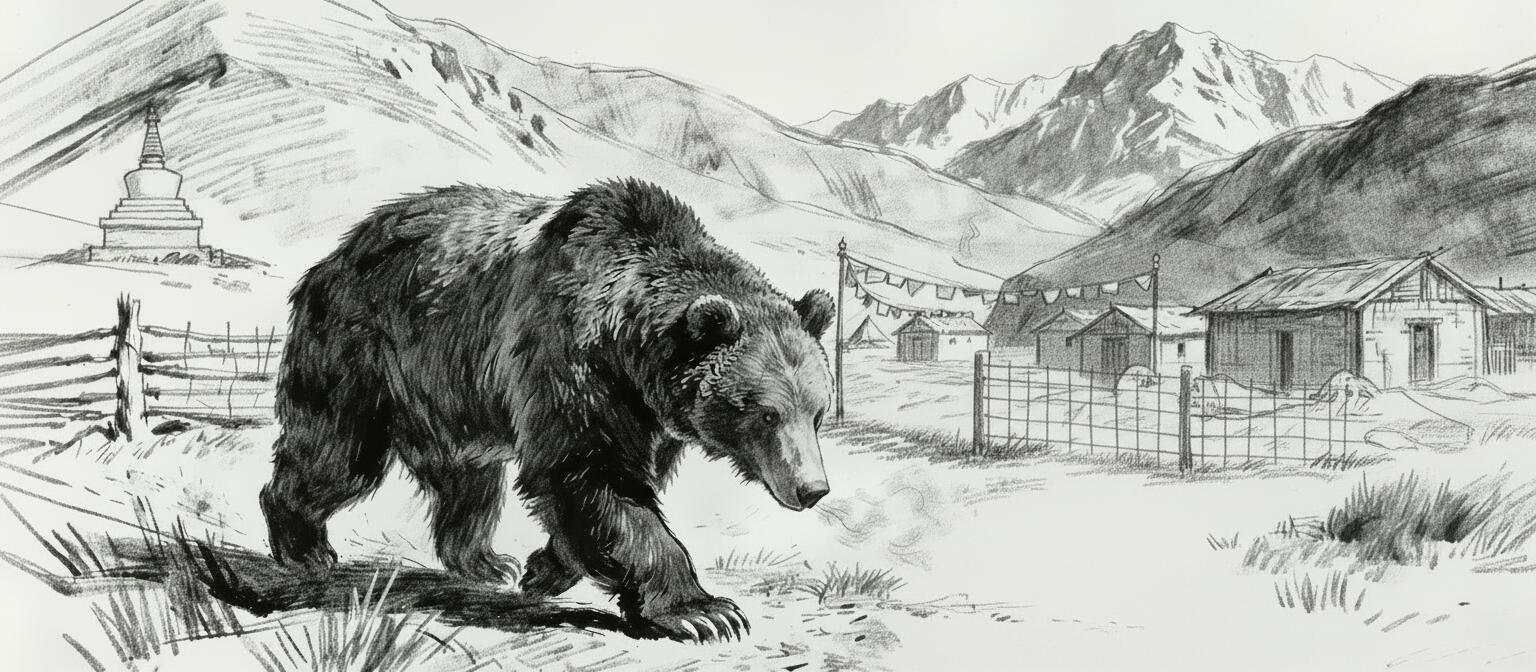
Image generated by Perplexity
In-Progress Research
My new project explores climate-driven human-bear conflicts on the eastern Tibetan Plateau through ethnographic study of pastoralist perceptions, grassroots mitigation, and interspecies democracy.My research interests also extend to animal morality, domestication histories, interspecies communication, conservation ethics, and environmental politics.
Education
2026. PhD. Anthropology, LSE, UK (Submitted). Scheduled viva date: 24 April 2026.
2018. MRes. Anthropology, LSE, UK (Distinction).
2017. Visiting Student. Anthropology, East China Normal University, Shanghai, mainland China.
2015. MSc. China in Comparative Perspective, Anthropology Department, LSE, UK (Distinction).
2014. BA. Sociology, Renmin University of China, Beijing, mainland China (Distinction).
2012. Exchange Student. Sociology, National Tsing Hua University, Hsinchu, Taiwan.
Non-Fiction Stories
Based on my PhD research, I have published award-winning non-fiction stories in Chinese literary magazines.2022. Third Prize, 第一季在場非虛構寫作獎學金 (the inaugural Frontline Fellowship for Chinese Non-Fiction Writing), Hong Kong.
2022.《驯服与被驯服的:在拉萨繁育藏獒》(The Tamers and the Tamed: Breeding Tibetan Mastiffs in Lhasa). 小鸟文学 (Aves) 18. Read here

2021.《加、加莫、加霍玛》(Gya, Gyamo, Gyahoma). 小鸟文学 (Aves) 9. Read here
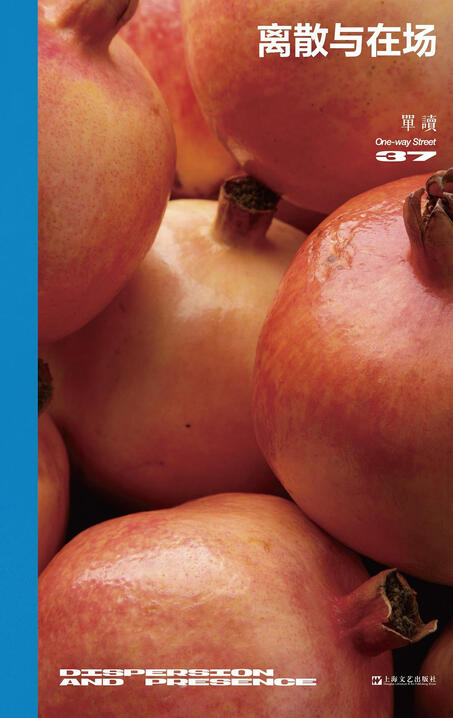
The Tamers and the Tamed has also been published with 单读 (One-Way Street) 37. Read about it


Media Articles
I have written and published academic essays for general audiences in several Chinese media outlets, translating anthropological research into accessible public discussion. I have also conducted and received interviews in English and Chinese, engaging interdisciplinary audiences on issues such as cognitive anthropology, fieldwork, and the role of storytelling in anthropology.
Workshop Organisation
Common Ground on Animal Ethics: When Anthropology Meets PhilosophyCo-organised with Kathy Harrison, Anthropology Department, LSE, London. Scheduled for 30 April – 1 May 2026. Register here


Art Collaboration
Drawing on my PhD research, I have collaborated with field interlocutors, artists, and activists on socially engaged art projects that connect ethnographic inquiry with public-facing creative practice. These collaborations experiment with participatory formats, documentary film, and exhibition-making to address human–animal relations, environmental change, and pastoral material culture.
An Anthropologist in the Mandala
I am deeply honoured to have been depicted in a sand mandala created by by Amdo environmentalist and artist དབྲ་ཁྱུང་དཔལ་བཟང (Draqung Balzang) in 2024. This innovative artwork visualises the grassland ecology of Amdo through Tibetan Buddhist sand painting techniques, marking the first use of the mandala form to represent environmental themes. Included among figures of pastoralists, monks, ecologists, and others, my presence symbolically represents the anthropologist’s role in understanding and collaborating with local environmental initiatives.
Photography


Two photographs presented in exhibition "Entangled Environments" by Department of Anthropology, LSE. February to September 2025.

"Suck it out or let it die"
• PhD Academy Prize, LSE. The best PhD photography submission for the LSE Festival research competition 2019.
Museum Curation
2021. First Prize, 第二届青年策展人项目 (Second Annual Young Curators Project), 中国民族博物馆 (Chinese National Museum of Ethnology), Beijing.This exhibition curates a spatial "journey in search of Tibetan mastiffs," transforming anthropological fieldwork on the Tibetan Mastiff Fever into a multi-perspective narrative—from urban enthusiasts to pastoral realities and dogs' perspectives. Its significance is reframing museums as a contact zone for mutual respect, blurring researcher-exhibited boundaries through collaborative curation.


Conference Presentation
I have presented my research in multiple conferences and workshops in UK, Finland, Hong Kong, and mainland China.
Teaching
I have taught anthropology and non-fiction writing in both academic and public settings.


Fellowships and Grants
2025. Malinowski Memorial Research Fund Grant, LSE.2023. Alfred Gell Memorial Studentship, LSE.2022. LSE PhD Studentship, LSE for 5 years.2019. Frederick Williamson Memorial Fund, Museum of Archaeology and Anthropology, University of Cambridge.2018. Alfred Gell Research Proposal Prize, Anthropology Department, LSE.
• Awarded for the best PhD research proposal.2015. Fei Xiaotong Prize, Anthropology Department, LSE.
• Awarded for the best dissertation submitted for the MSc. China in Comparative Perspective.
Learning Tibetan, Learning Dramyin
Since 2017, I have been learning Amdo Tibetan, both in writing and in speech. In 2024, I began learning to play the dramyin, a six‑stringed Himalayan lute. I also enjoy singing as an amateur :)Listen to me introducing my research in Amdo Tibetan.

Read my journey of enlightenment when I encountered the language and the people.

I once served as a model for my dramyin teacher དཔལ་ཆེན་རྡོ་རྗེ (Huachen Dorje)’s school.
© 2026 Yufei Zhou
PhD Dissertation
Ethical Objectification: How Pastoralists and Enthusiasts Relate to Tibetan Mastiffs in Contemporary China
This dissertation examines the ethical implications of the commodification of Tibetan Mastiffs – traditionally Tibetan pastoralists’ guard dogs. Since the late 1980s, they have become a luxury commodity among China’s new affluent classes, with some owners self-identifying as Tibetan Mastiff enthusiasts. During 24 months of fieldwork in Lhasa, Amdo, and inland China, I lived in pastoral communities and breeding farms to learn hands-on how to interact with, evaluate, and care for dogs, while also observing dogs’ responses through sustained, experiential engagement. Drawing on this material, I describe the ethical dimensions of how pastoralists and enthusiasts relate to their dogs.Enthusiasts are often accused of “objectifying” dogs: owners use them as a status symbol, breeders as a profit tool. However, enthusiasts also take intense care of their dogs, and dogs become objects of ethical concern for them. I introduce the concept of “ethical objectification” as a ubiquitous human mode of acknowledging certain beings as ethical objects, in contrast to the negative sense feminists and animal activists give to “objectification”. Tibetan Mastiffs undergo both forms of objectification, and the thesis compares these processes practiced by pastoralists and enthusiasts.Enthusiasts strip dogs of their moral duties and reduce them to passive recipients of the owners’ fully responsible protection. In contrast, pastoralists expect dogs to protect livestock, evaluate their performance, and reciprocate with gratitude. Pastoralists’ ethical objectification of their dogs is thus based on recognising dogs first as ethical subjects. Their ethics of reciprocity is opposed to enthusiasts’ ethics of paternalism.Examining humans’ ethical consideration of animals, this thesis outlines the conditions under which animals become ethical subjects or mere ethical objects. These are crucial issues in both the anthropology of ethics and moral philosophy. Beyond human-animal ethics, this thesis also offers insights into the complexities of consumerism and ethnic politics in post-Mao China.
Academic Publication
2023. ‘Raising Dogs that Bite: How Pastoralists and Breeders Care for Tibetan Mastiffs’, The China Quarterly 254, 340-353. (Q1, JIF 2.5, SJR 1.198) Read here2019. 《人与动物伦理关系研究的方法和中国经验》(Ethnographic Approaches and Chinese Perspectives on Human-Animal Ethics), 广西民族大学学报(哲学社会科学版)Journal of Guangxi University for Nationalities (Philosophy and Social Science Edition) 41, 68-78. (CSSCI-listed, Beijing University Core Journal) Read here2018. 《人类学与认知挑战》, 商务印书馆 (The Commercial Press), Beijing. Read about it
• Chinese Translation of Bloch, M. 2012. Anthropology and the cognitive challenge. Cambridge: University Press.***In press. ‘Can Humans Communicate with Animals?’, Ana Gutierrez Garza and Fuad Musallam (eds.) New Questions of Anthropology, London: LSE Press.Revise and resubmit. ‘Do guard dogs really need protecting? Tibetan Perspectives on Tibetan Mastiff Conservation after the Market Collapse’, in special issue ‘Frontier Ecologies: Indigeneity and More-than-Human Worlds from the Tibetan Plateau’, accepted by Environment and Planning E. (Q1, JIF 4.0, SJR 1.468)In preparation. 'Ethical Objectification: How Pastoralists and Enthusiasts Relate to Tibetan Mastiffs in Contemporary China’, planned submission to Journal of the Royal Anthropological Institute, September 2026.
Media Articles
2025.《博物馆中的田野与田野中的博物馆》(Fieldwork in Museums and Museums in Fieldwork), 信睿周报 (The Thinker) 150, 中信集团 (Citic Group), Beijing. Read here2024. (with Xuanyu Yang)《正义的种类》, 结绳志 (Tying Knots). Read here
• Chinese translation of CHAO, S. & E. KIRKSEY 2022. Glossary. Species of Justice. In The Promise of Multispecies Justice (eds) S. Chao, K. Bolender & E. Kirksey, 23-28. Durham: Duke University Press.2022.《故事能接住理论吗?》(Can Stories Catch Theories?), 结绳志 (Tying Knots). Read here2022.《情動先於反思,引領了我的行動,也引領了故事》(Affect precedes reflection, leading my action, leading the story.), 在場非虛構獎學金 (The Frontline Fellowship). Read here2021.《童年与认知:专访认知人类学家石瑞》(Childhood and Cognition: An Interview with Cognitive Anthropologist Charles Stafford), 信睿周报 (The Thinker) 51, 中信集团 (Citic Group), Beijing. Read here2020.《物种间的人类学:向“动物他者”学习》(Anthropology between Species: Learning from the “Animal Other”), 信睿周报 (The Thinker) 22, 中信集团 (Citic Group), Beijing. Read here2019. Q&A with Yufei Zhou, Researcher Profiles, London School of Economics and Political Science. Read here2018.《#MeToo在田野》(#MeToo in the Field), self-published on WeChat. Read here
• Coordinated the translation of a series of English articles on sexual harassment and abuse in anthropological fieldwork into Chinese.
Art Collaboration
2025. Initiator and organiser of the inaugural ‘Hequ Yak-Dung Doghouse Short-video Competition’ on Kuaishou. Read here
• Engaged over 100 Tibetan pastoralists in Hequ to create and share videos of their doghouses made from yak dung
• Invited public voting for the best designs and garnered over 53,000 votes in total.
• Collaborated with the Maqu Hequ Tibetan Mastiff Conservation Centre and sponsored by the Zhaqiongcang Ecological and Cultural Exchange Centre.2022. Invited participant in Cao Minghao & Chen Jianjun’s exhibition ‘Water System Refuge’, Documenta Fifteen, Kassel, Germany. Read here
• Offered academic advising and translated Tibetan texts into English.2020. Invited participant in དབྲ་ཁྱུང་ཡེ་གྲགས (Draqung Yedrag)’s documentary ‘Wolves are Coming’ (43 mins). Read here
• Collaborated in project planning, interviews and filming.
Conference Presentation
INVITED PRESENTATIONS2024. ‘Interspecies Encounter by Misunderstandings: Assisting aggressive bitches in labour in a Tibetan Mastiff breeding farm in Lhasa’, Workshop: Rethinking (chance) Encounter, Zhejiang University. Hangzhou, mainland China. 13-14 December.2023. ‘Conversation between anthropology and journalism’, Lecture: 706 London × Frontline Fellowship. London. 16 April.2022. ‘Guarding and Calling: The Ethical Subjectivity of Tibetan Pastoral Guard Dogs’, Workshop: Multispecies Ethnography, Yunnan Normal University. Kunming, mainland China. 4 September.2021. ‘The Obligation of Guarding: Virtue Ethics of Tibetan Pastoral Guard Dogs’, The 7th Annual Chinese Junior Anthropological Conference, Lanzhou University. Lanzhou, mainland China. 13 May.2021. ‘Stray Dogs Observation in Tibetan Autonomous Region’. Workshop: The Stray Dog Problems on the Tibetan Plateau, Gangri Neichog. Xining, mainland China. 16 April.2021. ‘The Responsibility of Guarding: The Ethical Subjectivity of Tibetan Pastoral Guard Dogs’, Workshop: Ecology and Humanities of the New Era. Hangzhou, mainland China. 20-21 March.2020. ‘Human-dog Care Relations in Tibetan Pastures and the Tibetan Mastiff Market in China’, Workshop: Care in China. LSE, UK. 11 May.2019. ‘Good Dogs that Bite: Human-Dog Ethics in the Tibetan Mastiff Economy’, Workshop: The Ethical Turn in Anthropology and China Studies. Hangzhou, mainland China. 29-30 June.ACCEPTED PRESENTATIONS2026. ‘Good wild dogs: Virtues (yon tan) of Pastoral Guard Dogs and Their Decline in Contemporary Amdo’, 17th Seminar of the International Association for Tibetan Studies (IATS 2026). Kathmandu, Nepal. Scheduled for 23-29 August.2025. ‘Let the Guard Dogs Guard Again: Maqu Pastoralists’ Conservation of Tibetan Mastiffs’, Fifth International Workshop of the Amdo Research Network. University of Leeds, UK. 23-25 June.2023. ‘Good Wild Dogs: Virtues of Guard Dogs and Their Decline in the Tibetan Pasturage in China’, Finnish Anthropological Conference. Rovaniemi, Finland. 21-23 March.2016. ‘Making America and Making China: The exclusion and Incorporation of the Other in American and Chinese National Anthropologies’, Society of East Asian Anthropology Conference. CUHK, Hong Kong. 19-22 June.
Teaching
2024. Lecturer and writing advisor, 动物同行、社区共写|动物志工作坊 (Inter-species Writing Workshop in Community), organised by 小象君 (Elefam) & 大城小事 (DCXC), Chengdu, China.
• 2-hour lectures on “Interspecies Fieldwork Methods” and “Interspecies Writing Methods”, each for approximately 100 students.
• Supervised 30 students on urban fieldwork for 7 days.
• Marked and gave feedback to 15 non-fiction writings.2023. Lecturer, Anthropology and Non-fiction Writing Workshop, 三明治 (Sandwichina), London.
• 3-hour lecture on anthropological theory, method, and writing for 19 students.2023. Graduate Class Instructor, Anthropology Department, LSE.
• “AN100: Being Human: Contemporary Themes in Social Anthropology.” UG. Fall.
• Themes include culture, ethnography, colonialism, race, Orientalism, language, body, social death, psycho-politics, and care.
• Designed class and taught 60 students of 3 groups.
• Marked and gave feedback to 85 essays (summative and formative).
• TQARO teaching evaluation: 4.2/5.0 overall satisfaction (28 student responses); 4.1/5.0 communication effectiveness, 4.2/5.0 feedback quality.
About this course2022. Guest Lecturer, “Care and Recognition: Tibetan Environmentalism”, Anthropology Department, LSE.
• 20-min lecture for 132 students of AN100: Being Human: Contemporary Themes in Social Anthropology.”2021. Guest Lecturer, “Anthropology and Inter-species Ethnography”, 山水自然保护中心 (Shanshui Conservation Center), Beijing.
• 2-hour lecture for 15 students of Shanshui’s annual training program.2018. Student advisor, the Selection Committee for the Undergraduate Summer Ethnography Competition, Anthropology Department, LSE.
• Marked and gave feedback to 10 research proposals.Teaching Qualification
2023. Postgraduate Certificate in Higher Education (PG Cert), Eden Centre, LSE.
• Registered and under training.
An Anthropologist in the Mandala
I am deeply honoured to have been depicted in a sand mandala created by Amdo environmentalist and artist དབྲ་ཁྱུང་དཔལ་བཟང (Draqung Balzang) in 2024. This innovative artwork visualises the grassland ecology of Amdo through Tibetan Buddhist sand painting techniques, marking the first use of the mandala form to represent environmental themes. Included among figures of pastoralists, monks, ecologists, and others, my presence symbolically represents the anthropologist’s role in understanding and collaborating with local environmental initiatives.The figure of me, an obvious outsider, got included in the outer ring of the circle structure, along with other agents in the grassland ecology. It is only because I happened to be the anthropology student who followed and cooperated with the environmentalists in their conservation work during my fieldwork. Honestly I did not make so much contribution! As you can see, there I was just bent down on my phone/notebook, which is pretty much all I did: taking notes and writing articles.Nonetheless, what we call participant observation is so valued by the environmentalists that they decided to make "the anthropologist" a permanent role/position in the grassland ecology. In this sense, it was not me that was painted, but an avatar of all anthropologists who endeavour to understand and cooperate with local activists, however difficult this process can be.And of course, nothing is really "permanent". Sand is the best medium to reveal the fluidity of things, beings and deeds, which is exactly the gist of this painting genre. But I still want to cherish it as one of the biggest achievements in my life so far: being recognised and marked down at this moment in time as a little figure of sand.
In-Progress Research
My current research, Mitigating Climate-Induced Human-Bear Conflicts: Interspecies Grassroots Democracy in Tibet, investigates how climate change—through habitat loss and shortened brown bear hibernation on the eastern Tibetan Plateau—fuels escalating conflicts between pastoralists and bears, including attacks and food store raids that have sparked public concern in China. Drawing on ethnographic fieldwork in three villages of Nangchen County, Qinghai Province, I explore Tibetan pastoralists' perceptions of climate impacts, bears' roles in grassroots mitigation efforts, and interactions among communities, local government, and NGOs like Gangri Neichog, which invited me in 2026 to observe their three-year project promoting communal solutions via bear ecology training and respect for local and scientific perspectives. Key questions address view differences on climate-conflict links, power dynamics in decision-making, and representations of bears culturally and politically, aiming to offer anthropological insights and practical recommendations for global human-wildlife challenges. This builds directly on my PhD work on the Tibetan Mastiff economy and human-wolf conflicts, leveraging six years of relationships with Tibetan and Chinese interlocutors, Tibetan fluency, Chinese proficiency, and prior collaboration with Gangri Neichog on stray dog control.